
Classification of Ceramics-Industrial Ceramics and Traditional Ceramics
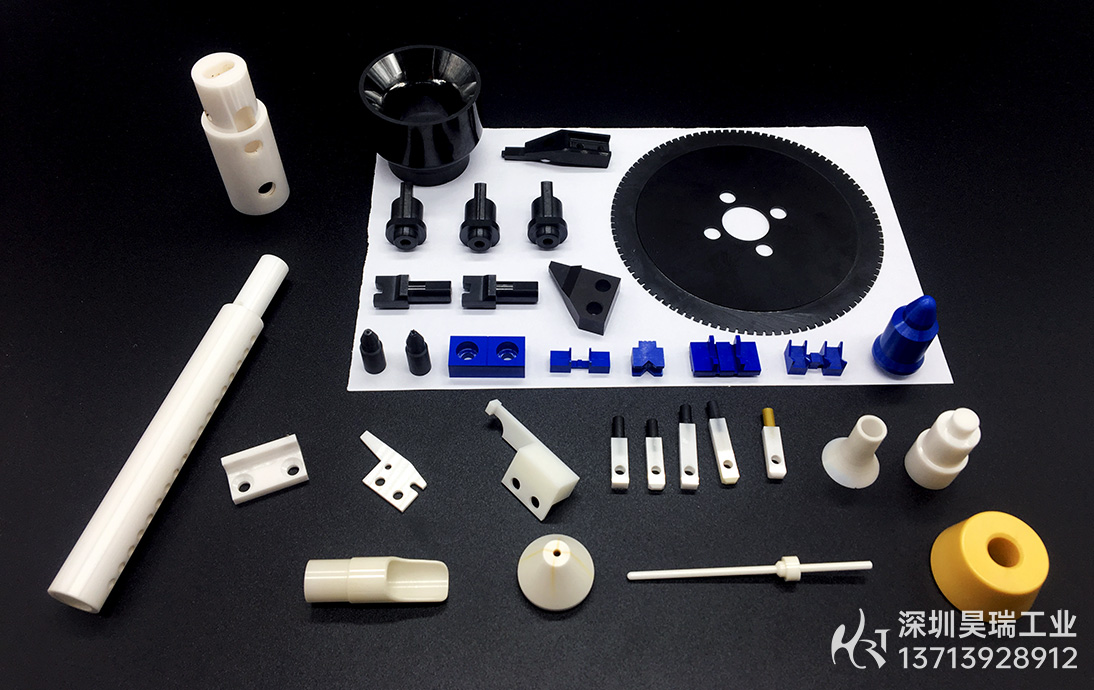
In the ceramic industry, ceramics not only refer to daily necessities such as bowls and plates used in our daily lives, but also include industrial ceramics that play an important role in modern industry. According to performance and use, people are accustomed to dividing ceramics into two categories: traditional ceramics and industrial ceramics (also known as advanced ceramics, technical ceramics, fine ceramics, precision ceramics, etc.). In this article, we will introduce the characteristics, application fields and market demand of these two types of ceramics in detail to help you better choose ceramic products suitable for your business.
Ⅰ. Traditional ceramics
Traditional ceramics are daily-use ceramic products obtained by crushing, molding, drying, firing and other processes with natural silicate minerals as raw materials (such as kaolin, clay, feldspar, quartz, etc.), also known as silicate ceramics. Traditional ceramic products include tableware, tea sets, decorations and building materials, which are widely used in our daily lives.
1. Features
Traditional ceramics generally have the following characteristics:
- Rich materials: mainly natural materials, easy to obtain.
- Diverse appearance: can be made into a variety of shapes and colors to meet different aesthetic needs.
- Moderate price: The production cost of traditional ceramics is relatively low, and the market price is moderate.
- Long history: with profound cultural heritage and artistic value.
2. Application areas
- Daily household items: daily ceramics, tableware, tea sets, etc.
- Building decoration materials: architectural ceramics, such as ceramic tiles, floor tiles, etc.
- Crafts and souvenirs: with high artistic and collection value.
Traditional ceramics have a wide range of consumer groups in both domestic and foreign markets due to their long history, convenient use, and in line with people‘s aesthetic needs.
Ⅱ. Industrial ceramics
Different from traditional ceramics, people refer to various ceramics developed in modern times as industrial ceramics. Industrial ceramics are inorganic non-metallic materials obtained by using artificial synthetic compounds with higher purity (such as alumina ceramics (Al₂O₃), zirconium oxide ceramics (ZrO₂), silicon carbide ceramics (SiC), silicon nitride ceramics (Si₃N₄), aluminum nitride ceramics (AlN), etc.), through appropriate structural design, precise chemical measurement, suitable molding methods and firing control, and processed. Compared with traditional ceramics, the manufacturing materials and process requirements of industrial ceramics are more special. It has the characteristics of high hardness, high strength, wear resistance, and high temperature resistance.
Industrial ceramics can be divided into high-strength ceramics, high-temperature ceramics, wear-resistant ceramics, acid-resistant ceramics, piezoelectric ceramics, dielectric ceramics, optical ceramics, semiconductor ceramics, magnetic ceramics, bioceramics, etc. by performance. Classification by chemical composition: oxide ceramics (alumina ceramics, zirconium oxide ceramics, magnesium oxide ceramics, oxide-plated ceramics, etc.), nitride ceramics (silicon nitride ceramics, aluminum nitride ceramics, boron nitride ceramics, etc.), carbide ceramics (silicon carbide ceramics, boron carbide ceramics, etc.), composite ceramics (aluminum magnesium spinel ceramics, aluminum zirconate titanate lanthanum ceramics, etc.)
1. Features
Industrial ceramics have the following characteristics:
- High wear resistance and high hardness: suitable for extreme working environments.
- High temperature resistance and corrosion resistance: suitable for high temperature and high pressure process flows.
- High insulation: suitable for power and electronic components.
- Complex production process: requires precision equipment and high temperature technology, and the cost is relatively high.
2. Application fields
- Electronic industry: used to manufacture electronic components, semiconductors, etc.
- Mechanical manufacturing industry: suitable for bearings, seals, cutting tools, etc.
- Aerospace and military industries: used to manufacture high-strength, corrosion-resistant components.
- Pharmaceutical and chemical industries: used for corrosion-resistant components in pharmaceutical and chemical equipment.
Industrial ceramics, with their excellent physical and chemical properties, occupy an important position in the high-end manufacturing industry, and the market demand is growing year by year.
Ⅲ. Market demand and development trend
With the advancement of science and technology and the improvement of people‘s living standards, the market demand for traditional ceramics and industrial ceramics has shown an upward trend. The application of traditional ceramics in home decoration and daily life is constantly expanding, while industrial ceramics are replacing traditional metal materials in more and more industrial fields with their excellent performance.
Conclusion
Industrial ceramics and traditional ceramics have their own advantages. Faced with the ever-changing market demand, different types of ceramic products are meeting people‘s dual pursuit of high-performance materials and artistic life. Whether you are a ceramic manufacturer or a trader, you can better grasp business opportunities and provide customers with products that better meet their needs by deeply understanding the characteristics and market trends of these two types of ceramics.
Shenzhen Haorui Industrial Technology Co., Ltd. has been involved in the field of industrial ceramics since 2006, focusing on the processing and manufacturing of advanced ceramic materials. The company is committed to providing high-performance ceramic products that are widely used in high-tech fields such as electronics, medical, automotive and aerospace. With rich industry experience and technical accumulation, Shenzhen Haorui meets the various needs of customers with its excellent quality and innovative solutions. The company has obtained ISO 9001 quality management system certification to ensure that product quality meets international standards and provides customers with reliable and high-quality ceramic products and services.
 【Wechat】
 QQ
QQ ChatNow